Ketosis
The ketogenic diet is more a therapeutic metabolic intervention then a ‘diet'.
It's one of the oldest, most established, and most extensively studied therapeutic diets in modern medicine.
Dietary carbohydrate reduction has been used for seizure disorders for centuries, with the "ketogenic diet" becoming developed in the 1920s to be used neurologically as the primary medical treatment before medications were available.
A ketogenic diet is different from simply “eating less carbohydrates”.
When carbohydrate availability becomes sufficiently low — usually 20-30 grams/day — the body undergoes a coordinated metabolic shift from predominantly glucose-based metabolism toward greater fatty-acid oxidation and ketone metabolism. When this happens, the liver converts fatty acids into the ketone bodies — β-hydroxybutyrate (BHB), acetoacetate, and acetone — which are used as efficent fuel by the brain, heart, skeletal muscle and every other tissues without the negative end products that glucose metabolism creates.
In that way, nutritional ketosis changes the fuel system of the body.
This shift also changes several hormonal and cellular pathways reducing glucose and insulin exposure, increases use of stored fat, and activates mitochondrial function. In the process is a reactivation of the diet as it can reduce oxidative stress, inflammation, and body weight.
As metabolic disorders — i.e. the bases for most chronic health problems — affect nearly 90% of the population, many are seeing incredible improvements in overall health when reducing total sugars (glucose), increasing healthy fats and maintaining consistent levels of protein in the diet.
That said, there is a subset of the population in which ketogenic diet would not be recommended, i.e. for those with inborn errors of fatty acid metabolism, CPT1A deficiency, CPT2, MCAD, VLCAD, LCHAD, CACT deficiency and other fatty-acid disorders.
Please enjoy the selected videos below to begin / continue your orienting process. There are many physician’s speaking in the public space about the benefits their patients are experiencing with this way of eating.
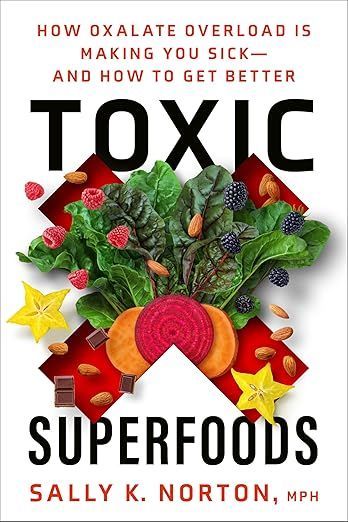
Sally K Norton : lead voice on low Oxalate diet!
Ancestral Diets
Many voices speaking on Oxalates
Many voices speaking on Oxalates
Books